

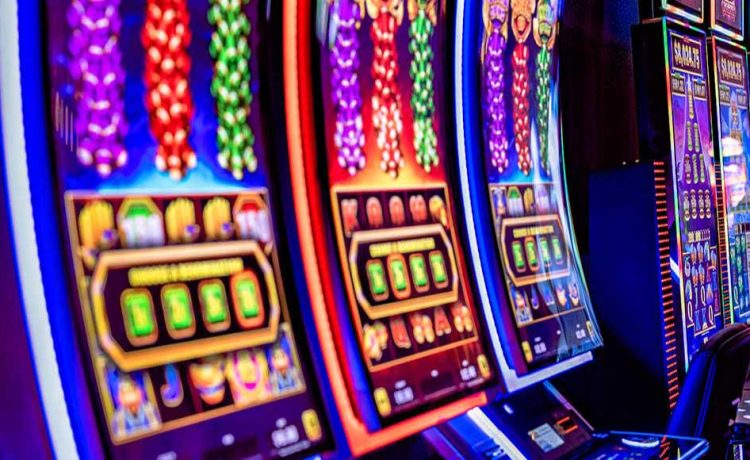
Slots are more than just colorful reels and flashing lights. They’re a fusion of mathematics, psychology, and entertainment design. While they may look simple on the surface, slot games are complex systems built on intricate algorithms and behavioral principles that keep players engaged. In this in-depth guide, we’ll explore how slots work, what drives their appeal, and how players and developers can understand them from both strategic and analytical perspectives.
What Are Slots and How Do They Work?
At their core, slots are casino games based entirely on chance. Players spin a set of reels that display various symbols. When those symbols land in specific combinations, payouts occur based on a predetermined paytable.
Each spin in a slot game is determined by a Random Number Generator (RNG). The RNG ensures that every spin’s outcome is completely independent, meaning that no prior result can influence future ones. This is what makes slots truly unpredictable.
Key Components of Slot Games
- Reels: Vertical sections that spin during play, usually three to six in modern games.
- Paylines: The patterns across reels that determine winning combinations. Some slots feature a few paylines, while others have hundreds or even thousands.
- Symbols: Icons that appear on the reels, including standard symbols, wilds, scatters, and bonus icons.
- RTP (Return to Player): Expressed as a percentage, RTP indicates how much a slot returns to players over time. For instance, a 96% RTP means $96 is paid back for every $100 wagered, on average.
- Volatility: Describes the risk level of a slot. Low volatility means smaller but frequent wins, while high volatility means bigger wins but less often.
Understanding these core elements helps players make more informed decisions when selecting which slots to play.
The Evolution of Slot Machines
Slot games have come a long way since the first mechanical machine, The Liberty Bell, was introduced in the late 19th century. The modern transformation of slots has been driven by technological innovation, from mechanical reels to digital screens and online interfaces.
Mechanical Era
The earliest slot machines used physical reels with springs and gears. These machines had a limited number of symbols, which restricted the number of possible combinations. Wins were paid manually, often in coins or tokens.
Video Slots and Online Transition
With the rise of microprocessors in the 1980s, video slots began to dominate casinos. These versions replaced physical reels with digital screens, allowing for:
- Animated themes and storylines
- Multiple bonus rounds
- Progressive jackpots
- Customizable betting options
The internet revolutionized this experience further. Online slots became accessible on desktops, and later, mobile devices. The move to online platforms also opened the door for global progressive jackpots and extensive data analytics.
Mobile and Interactive Slots
Today, slot gaming is highly interactive. Mobile-first design, touch controls, and virtual interfaces allow users to play anywhere. Advanced graphics, real-time features, and gamification elements like achievements or tournaments make modern slots more engaging than ever.
Slot Mechanics: The Mathematics Behind the Spin
Slots might seem random, but every element is mathematically designed to maintain a specific payout structure. Understanding these mechanics is crucial for anyone wanting to see beyond the surface.
Random Number Generator (RNG)
The RNG continuously produces random numerical outcomes, even when no one is playing. When a player hits “spin,” the current number sequence determines which symbols appear on the reels. This process happens in milliseconds.
The RNG ensures fairness, and its algorithms are certified by gaming authorities in regulated markets. Every slot outcome is independent, which means there’s no pattern, cycle, or “due” win.
Payback and House Edge
Each slot is designed to have a specific RTP. For example:
- High RTP slots: Typically between 96–98%, giving players better long-term returns.
- Low RTP slots: Between 85–93%, which favors the casino more but might offer higher instant payouts or jackpots.
The house edge is simply the inverse of RTP. A 96% RTP slot has a 4% house edge.
Volatility and Hit Frequency
These metrics explain how a slot “feels” to play.
- Low volatility: Frequent but small wins; ideal for players seeking steady entertainment.
- High volatility: Rare but large wins; suits players chasing bigger jackpots.
- Hit frequency: The likelihood of a winning spin, usually around 20–30% depending on the game.
Together, RTP, volatility, and hit frequency define a slot’s performance profile.
Types of Slots in Today’s Market
Slots can be categorized based on design, payout structure, or gameplay mechanics. These variations are widely available across both online and physical casinos, with modern platforms like ck44jili.com offering access to a diverse range of slot experiences, from classic machines to advanced, feature-rich games. Here are the major types dominating today’s market.
Classic Slots
Modeled after traditional three-reel machines, these slots feature simple symbols like fruits, bars, and sevens. They appeal to players who prefer straightforward gameplay without complex bonuses.
Video Slots
The most common modern format, video slots feature five reels, multiple paylines, and advanced graphics. They often include cinematic storylines, special features, and bonus rounds to keep players immersed.
Progressive Jackpot Slots
These games pool a portion of each wager into a growing jackpot that can reach life-changing sums. Progressive slots are linked across multiple machines or online casinos, allowing the jackpot to accumulate rapidly.
Megaways Slots
Megaways games use a dynamic reel structure, changing the number of symbols on each reel with every spin. This creates thousands of potential ways to win, keeping gameplay unpredictable and exciting.
Cluster Pays Slots
Instead of traditional paylines, cluster slots reward players for grouping matching symbols together anywhere on the grid. This innovative design makes gameplay feel fresh and more strategic.
Themed and Licensed Slots
Modern slots often incorporate popular themes such as mythology, movies, or adventure. Licensed slots use official branding, music, and visuals to create immersive entertainment experiences.
Player Psychology and Engagement Design
Slot machines are designed with behavioral psychology in mind. Game developers use reinforcement techniques, sound design, and visual cues to sustain engagement.
Variable Rewards
The unpredictability of slot outcomes triggers dopamine release in the brain. Players experience excitement and anticipation each time the reels spin, even when no win occurs.
Audio-Visual Stimulation
Bright colors, celebratory animations, and sound effects simulate a sense of accomplishment. Even near-misses or small wins are celebrated to keep players engaged.
Losses Disguised as Wins
Many slots highlight small wins even when the player’s payout is less than the bet amount. This psychological tactic helps maintain enthusiasm while masking small losses.
Player Retention
Modern games use achievement systems, daily bonuses, and progression levels to create a sense of continuity. This mirrors the structure of video games, rewarding consistent play.
Slot Strategy: Playing Smart and Managing Risk
While slots are games of chance, informed players can make better choices by managing bankroll and selecting games wisely.
Bankroll Management Tips
- Set a fixed budget and never exceed it.
- Choose a slot volatility level that matches your risk tolerance.
- Avoid chasing losses; each spin is independent.
- Divide your bankroll into smaller sessions to extend playtime.
Choosing the Right Slot
- Look for higher RTP values when possible.
- Experiment with demo versions to learn bonus mechanics.
- Favor games with clear paytables and transparent rules.
- Use bonuses and free spins strategically to extend play without extra risk.
Avoiding Myths
Common misconceptions, such as believing machines have “hot” or “cold” streaks, are false. Slots use continuous RNG cycles, meaning outcomes are completely random and unaffected by past results.
Regulatory and Fairness Standards
Slot games in regulated markets must comply with strict standards to ensure fairness and transparency.
- Licensing: Every legitimate slot provider operates under the oversight of gaming commissions that certify RNG fairness.
- Testing and Audits: Independent labs regularly test slot algorithms to confirm payout consistency and randomness.
- Transparency: Reputable casinos publish RTP data and game information for players to review.
These measures ensure that slots remain fair and trustworthy entertainment options.
Emerging Innovations in Slot Development
The future of slot gaming is shaped by technology and player feedback. Developers are incorporating cutting-edge tools and trends that redefine how players interact with these games.
Artificial Intelligence and Data Analytics
AI helps personalize game recommendations, predict player behavior, and optimize bonuses. Analytics enable developers to identify which features drive engagement and retention.
Virtual Reality and Augmented Reality
VR and AR bring slots into immersive 3D worlds. Players can walk through virtual casinos, interact with machines, and experience realistic environments that bridge gaming and entertainment.
Blockchain Integration
Blockchain technology enables provably fair systems where every spin’s result can be independently verified. Cryptocurrency-based slots also offer new payment flexibility for global users.
Skill-Based Elements
Some experimental slots now blend traditional luck-based mechanics with light skill components, such as reaction-based mini-games, appealing to a younger, more interactive audience.
Frequently Asked Questions (FAQ)
Q1: Can I increase my chances of winning at slots?
No guaranteed method exists to win consistently since all outcomes are random. However, choosing high RTP games and managing your bankroll can help you play smarter and longer.
Q2: What’s the difference between RTP and volatility?
RTP measures long-term payout percentage, while volatility describes how often and how much a slot pays. High volatility means bigger wins but less frequently.
Q3: Are online slots rigged?
Licensed casinos must use certified RNG software tested by independent regulators. As long as you play on regulated platforms, online slots are fair and secure.
Q4: How do progressive jackpots grow?
Each time a player makes a bet, a small portion contributes to a shared jackpot pool. This continues until one lucky player hits the winning combination.
Q5: Why do some slots feel “luckier” than others?
This perception comes from short-term variance. While one slot may seem to pay better during a session, over time, all games follow their mathematical design and RTP.
Understanding slots requires more than knowing how to spin the reels. Beneath their visual charm lies a combination of complex probability, behavioral psychology, and evolving digital design. Whether you’re analyzing game performance or enjoying a casual spin, recognizing the mechanisms behind slots helps turn what seems like pure chance into a fascinating study of technology and human behavior.